Strong bones help you stay active and independent throughout life. Women are more likely than men to develop weak bones (osteoporosis), mainly because bone loss speeds up after menopause. The habits you build now can help protect your bones for years to come.
Why women’s bones need extra care
Bone is living tissue that is constantly renewed. Oestrogen helps protect bone, so when oestrogen levels fall during menopause, bone can be lost more quickly. Weak bones often cause no symptoms until a fracture happens, which is why prevention matters.
Calcium: the building block
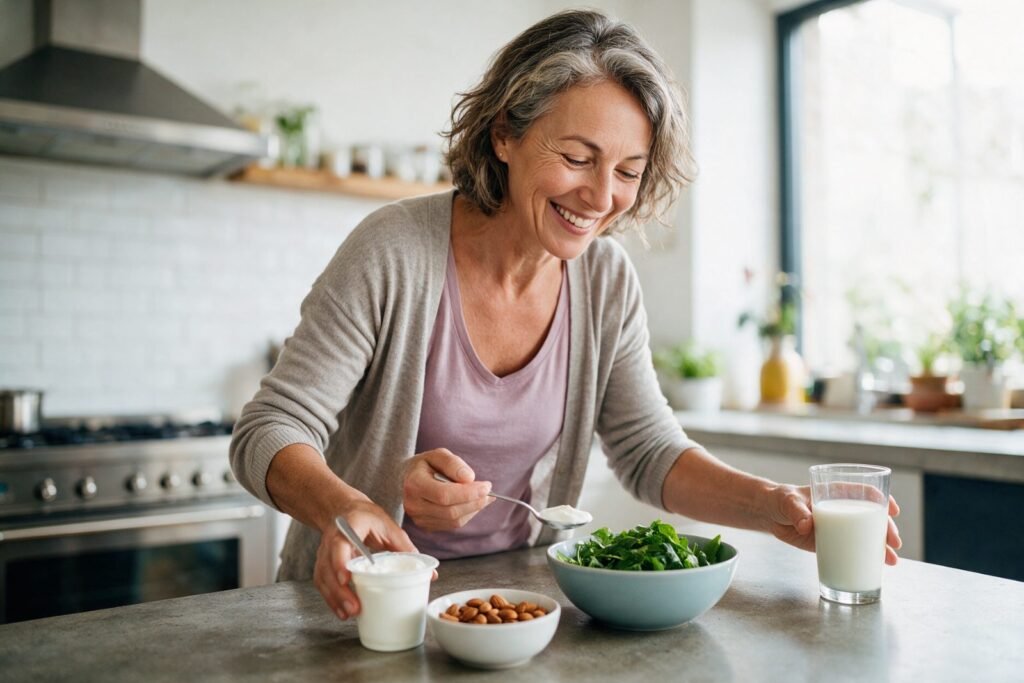
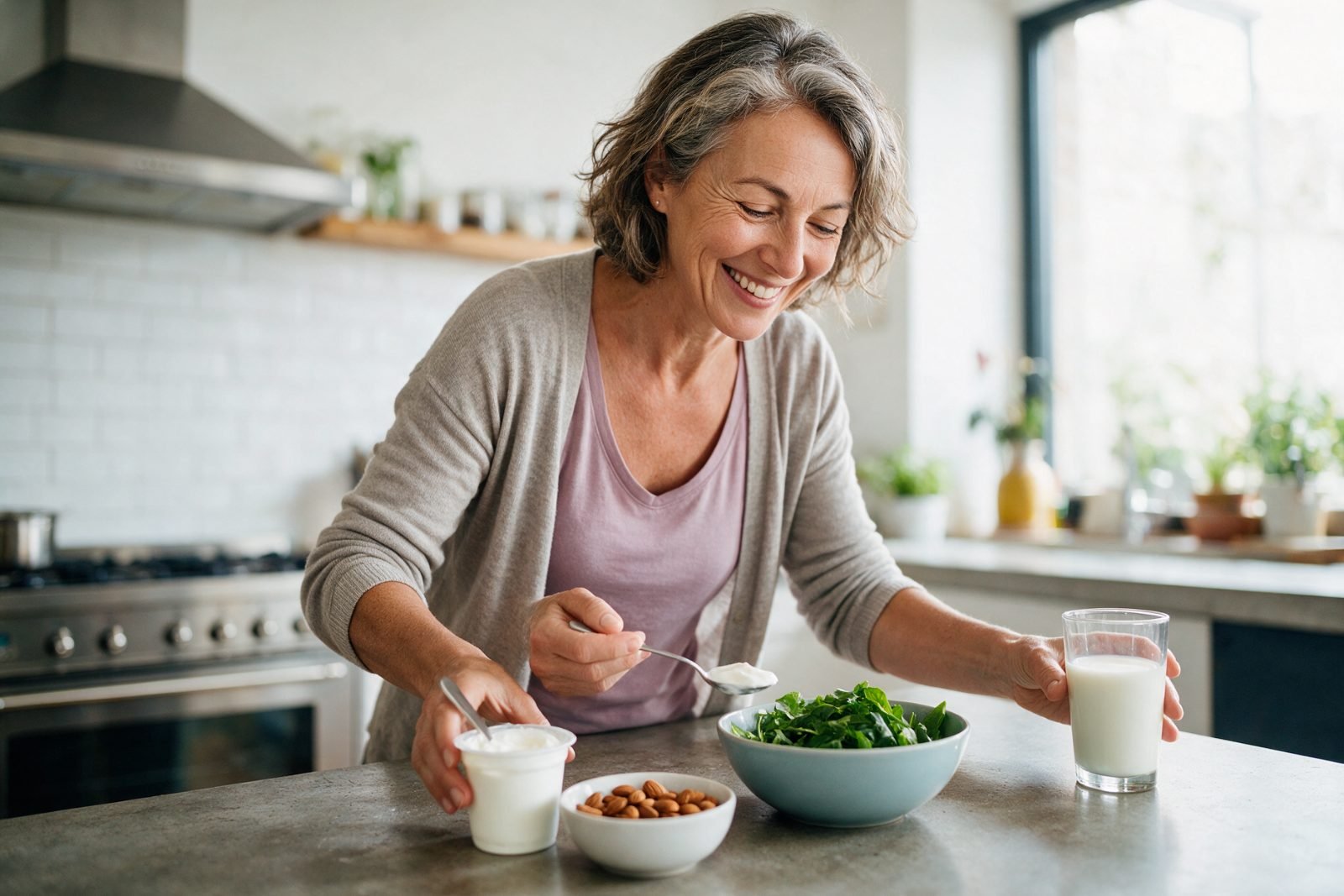
Calcium helps build and maintain strong bones. Good sources include:
- Milk, yogurt and cheese
- Fortified plant milks and cereals
- Leafy greens such as kale and broccoli
- Almonds, sesame seeds and tofu
- Tinned fish with soft bones, such as sardines
Vitamin D: helping your body use calcium
Vitamin D helps your body absorb calcium. Your skin makes it from sunlight, and it is also found in oily fish, eggs and fortified foods. In darker months, many people find it hard to get enough, so ask your doctor or pharmacist whether a supplement is right for you.
Movement that strengthens bones
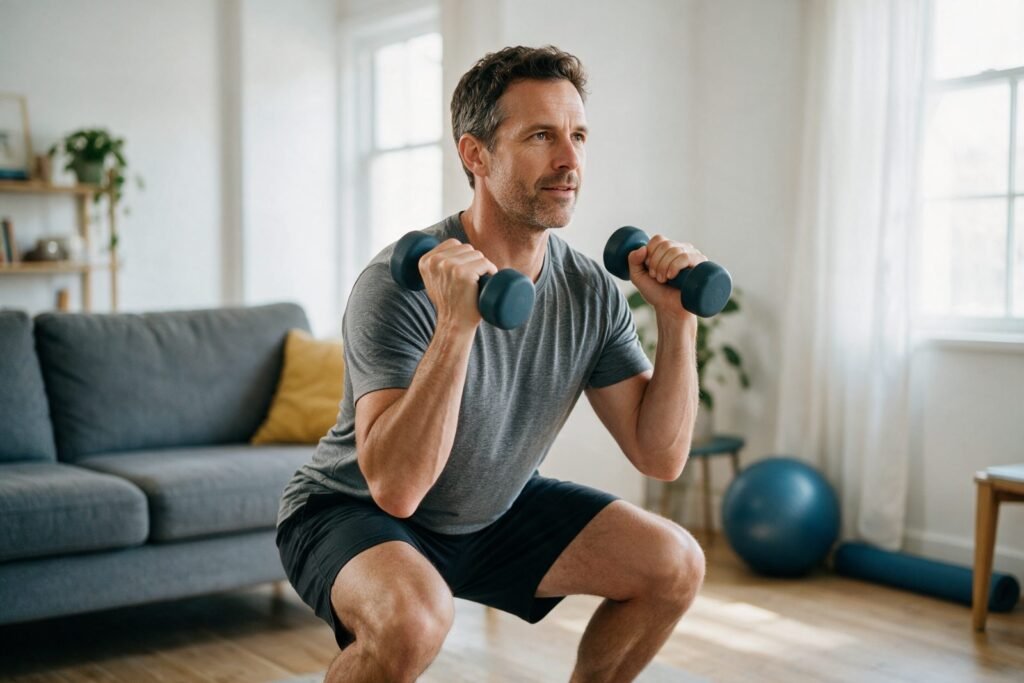
- Weight-bearing exercise: brisk walking, dancing, stair climbing and light jogging.
- Strength exercises: squats, resistance bands or light weights two to three times a week.
- Balance work: yoga or tai chi can lower your risk of falls.
Other habits that help
Not smoking, keeping alcohol moderate and maintaining a healthy weight all support bone health. If you are over 50, have had a fracture, or have a family history of osteoporosis, ask your doctor whether a bone density check would be helpful.
This guide is for general information only and is not a substitute for advice from your doctor. If you have symptoms or concerns, please speak to a healthcare professional.