

Understanding the Traditional Okinawa Diet
In the purest sense, the Okinawa Diet refers to the traditional eating patterns of people living on the Japanese island of Okinawa. Their unique diet and lifestyle are often associated with some of the longest lifespans in the world.
The traditional Okinawan diet is low in calories and fat while being relatively high in carbohydrates. It emphasizes vegetables and soy products, alongside occasional small amounts of noodles, rice, pork, and fish.
Although the traditional diet is primarily carbohydrate-based, modern Okinawan eating patterns generally contain more protein and fat.
Okinawan culture also embraces the idea of food as medicine and incorporates practices influenced by traditional Chinese medicine. Herbs and spices, such as turmeric and mugwort, are commonly associated with this approach to food and wellness.
Okinawan Lifestyle and Eating Habits
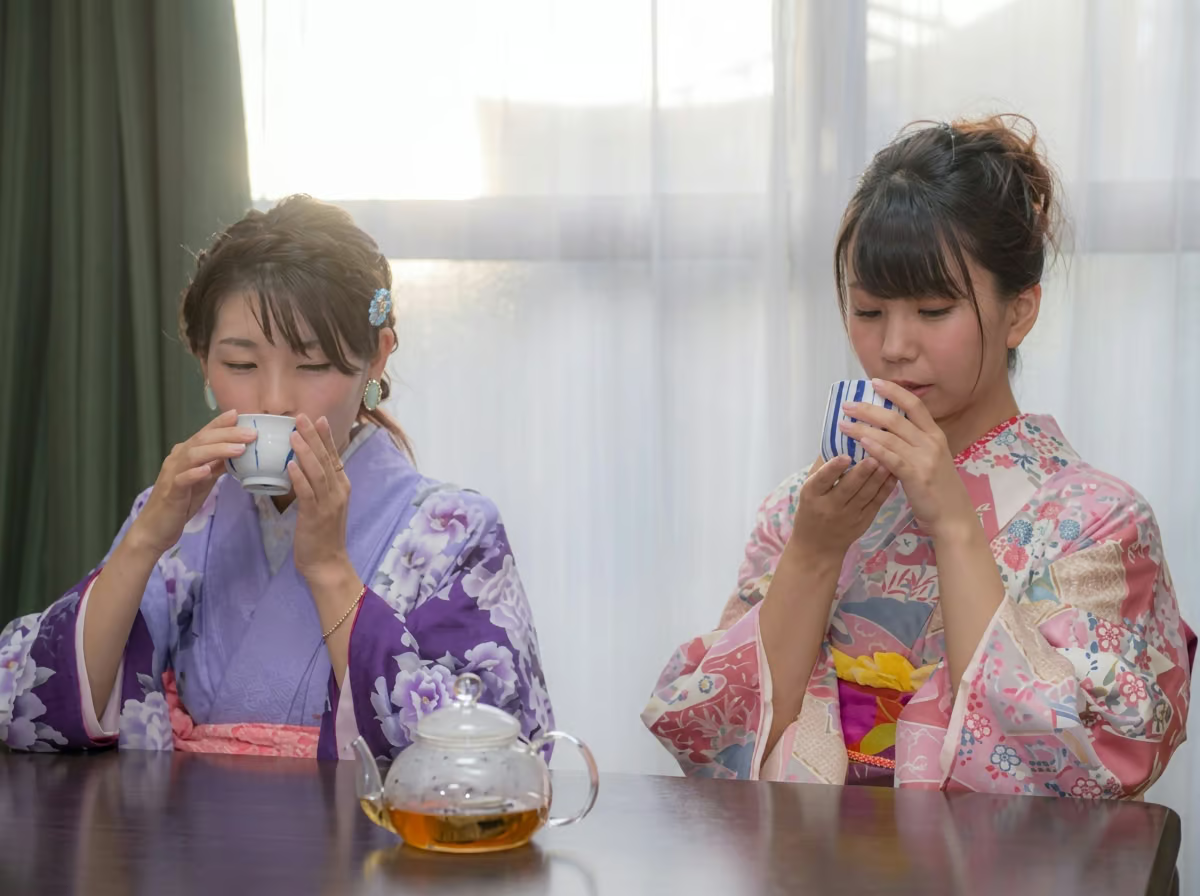
The Okinawan lifestyle also emphasizes daily physical activity and mindful eating practices.
The health benefits associated with the traditional Okinawan diet have inspired modern diet plans intended to promote weight management. While these approaches encourage nutrient-dense foods, some modern versions are influenced by Western dietary patterns.

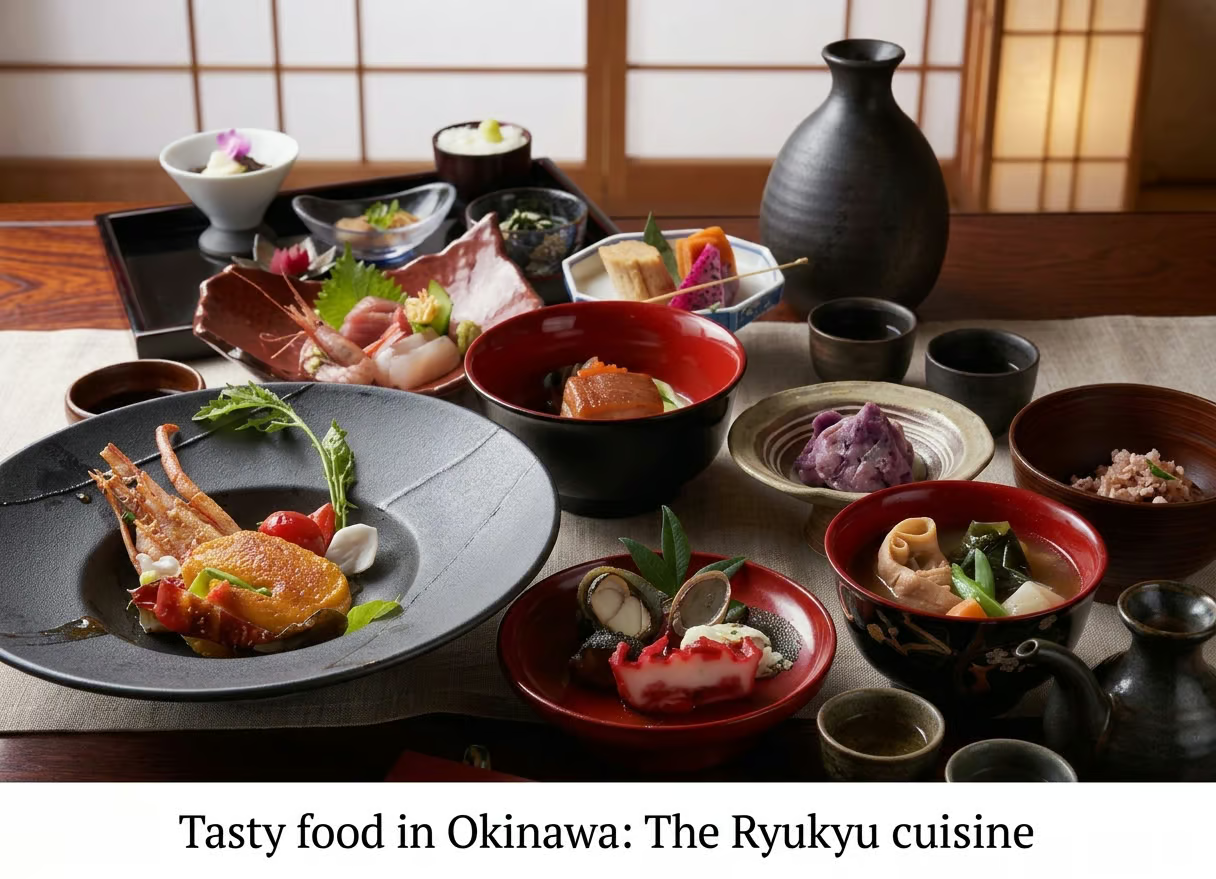
Unlike many other Japanese populations, traditional Okinawan diets historically included relatively little rice. Sweet potatoes were a major source of calories, followed by other foods such as whole grains, legumes, and vegetables.
Staple Foods in the Traditional Okinawan Diet
The traditional Okinawan diet includes a variety of plant-based foods, along with smaller amounts of animal products.
-
Vegetables (approximately 58–60%):
Sweet potatoes (orange and purple), seaweed, kelp, bamboo shoots, daikon, radish, bitter melon, cabbage, carrots, Chinese okra, pumpkin, and green papaya. -
Grains (approximately 33%):
Millet, wheat, rice, and noodles. -
Soy Foods (approximately 5%):
Tofu, miso, natto, and edamame. -
Meat and Seafood (approximately 1–2%):
Mostly white fish and seafood, with occasional pork, including different cuts and organ meats. -
Other Foods (approximately 1%):
Alcohol, tea, spices, and dashi (broth).
Jasmine tea is also commonly consumed, while antioxidant-rich spices such as turmeric are frequently used in traditional Okinawan cuisine.

Summary
The traditional Okinawan diet consists primarily of nutritious, plant-based foods, especially sweet potatoes. These foods provide fiber, antioxidants, and a variety of essential nutrients.
Many foods associated with the traditional Okinawan diet may contribute to overall health and could support healthy aging when combined with other beneficial lifestyle habits.
Longevity and Healthy Aging
One of the most notable aspects of the traditional Okinawan diet is its association with longevity. Okinawa has historically been recognized for its population of centenarians, people who live to be at least 100 years old.
Many factors influence longevity, including genetics, environment, access to healthcare, and lifestyle choices.
Okinawans have historically experienced relatively low rates of certain chronic illnesses, including heart disease and diabetes. However, diet alone cannot guarantee a longer lifespan or prevent chronic diseases.
Website Disclaimer
The information provided on Uccarl is for general informational and educational purposes only. It is not intended to replace professional medical advice, diagnosis, or treatment. Always consult a qualified healthcare professional before making changes to your diet, lifestyle, or health routine. Never disregard professional medical advice or delay seeking medical care because of information published on this website.