

Understanding Asthma
Asthma is a chronic inflammatory condition that affects the airways in your lungs. It can make breathing difficult and may make some physical activities challenging.
According to the Centers for Disease Control and Prevention (CDC), approximately 25 million people in the United States have asthma. It is one of the most common chronic lung conditions among children in the United States.
To understand asthma, it helps to know what happens when you breathe. Normally, air enters through your nose or mouth, travels down your throat and through your airways, and eventually reaches your lungs.
Your lungs contain many small air passages that help deliver oxygen from the air into your bloodstream.
Asthma symptoms occur when the lining of your airways becomes inflamed and swollen, while the muscles surrounding them tighten. Mucus may also build up, further reducing the amount of air that can pass through.

These effects can trigger an asthma attack, which may involve coughing, wheezing, chest tightness, and difficulty breathing.
Asthma Symptoms
One of the most common symptoms of asthma is wheezing, a squealing or whistling sound that occurs when you breathe.
Some people experience symptoms consistently throughout the day, while others notice that certain activities, environmental conditions, or allergens make their symptoms worse.
If you think your symptoms could be related to asthma, make an appointment with a qualified healthcare professional.
Common asthma symptoms and flare-ups may include:
- Coughing
- Wheezing
- Frequent throat clearing
- Difficulty sleeping because of breathing symptoms
- Chest pain or tightness
- Fatigue
If you experience recurring symptoms, seek medical evaluation and appropriate treatment.
Asthma Emergency
A severe asthma attack can become life-threatening. Emergency warning signs may include:
- Severe difficulty breathing
- Gasping for air
- Confusion or reduced alertness
- Pale or blue lips or fingernails
- Dizziness
- Difficulty walking or talking because of breathlessness
If someone experiences severe breathing difficulties or other signs of a medical emergency, call your local emergency number immediately.
Although asthma is particularly common in children, some people do not develop symptoms until adulthood.
Genetics and Asthma
Genetics: If a parent or sibling has asthma, you may have a higher likelihood of developing the condition. However, genetics is only one of several factors that can influence asthma risk.
Types of Asthma
Asthma can have different triggers and patterns. Your healthcare professional can help determine the type of asthma you have and develop an appropriate treatment plan.
The following are some commonly discussed asthma categories.
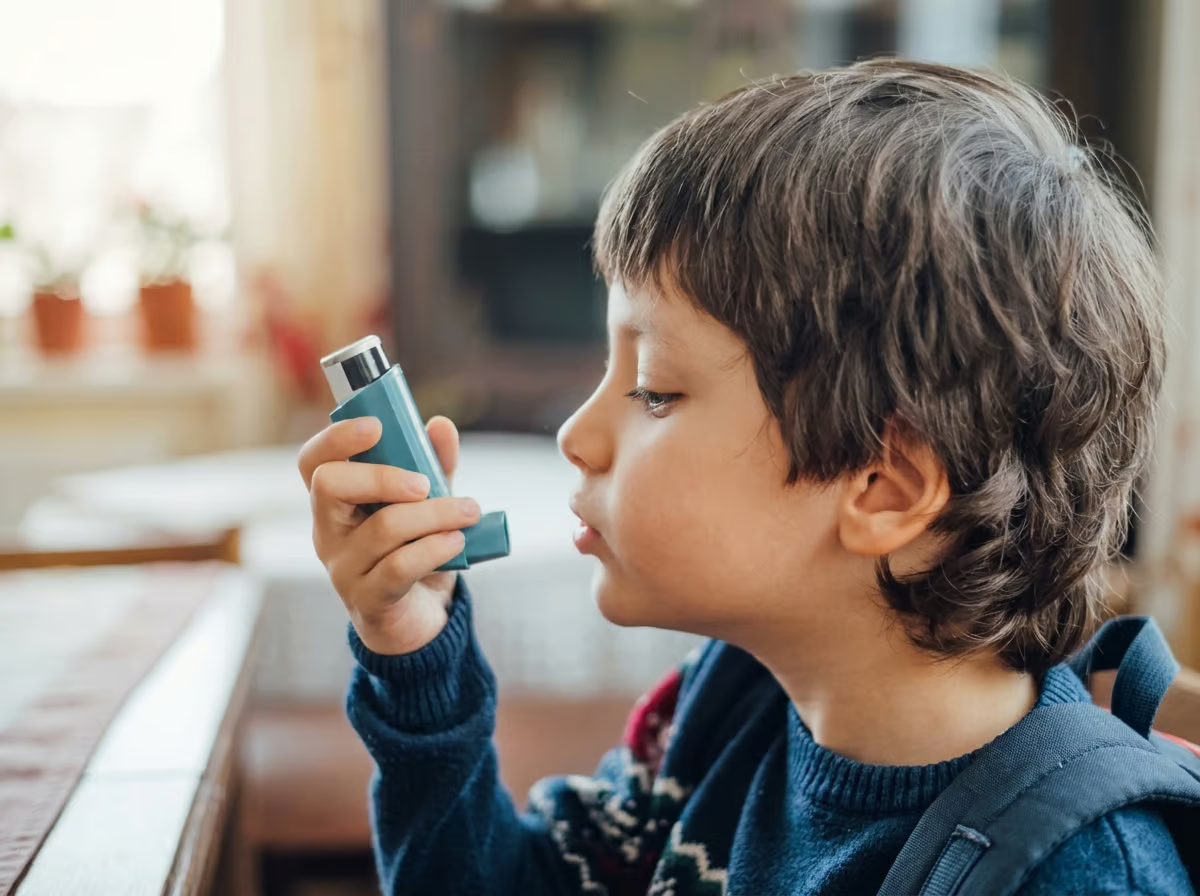
Allergic Asthma
Allergic asthma occurs when exposure to allergens triggers asthma symptoms. Common triggers may include:
- Pet dander from animals such as cats and dogs
- Certain allergens in food
- Mold
- Pollen
- Dust and dust mites
Non-Allergic Asthma
Non-allergic asthma symptoms may be triggered by environmental irritants or other factors that are not directly related to allergies.
Potential triggers include:
- Smoke from burning wood
- Cigarette smoke
- Cold air
- Air pollution
- Viral respiratory illnesses
- Air fresheners
- Perfumes and fragrances
Occupational Asthma
Occupational asthma is associated with exposure to certain substances in the workplace. These substances may trigger asthma symptoms or contribute to the development of asthma.
Possible workplace triggers include:
- Dust
- Dyes
- Gases and fumes
- Industrial chemicals
- Animal proteins
- Rubber latex
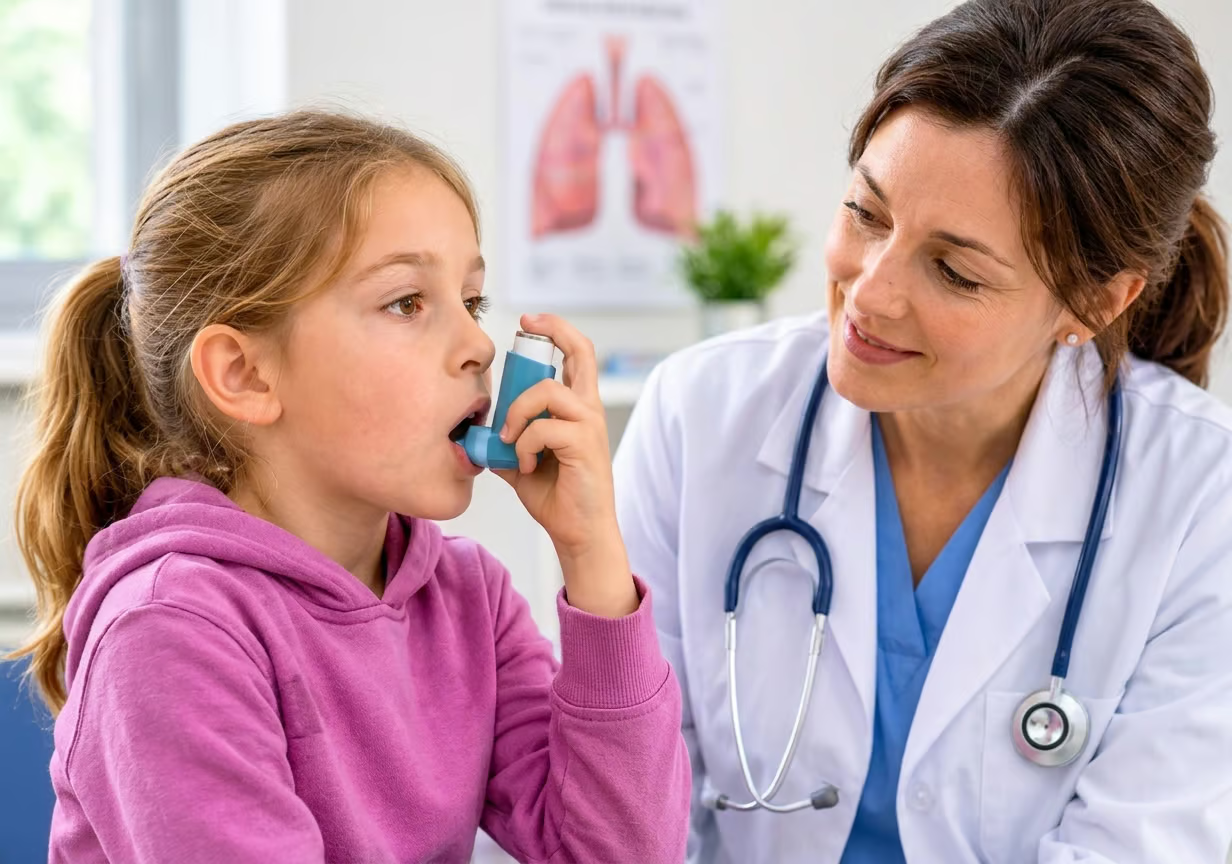
Nocturnal Asthma
Nocturnal asthma refers to asthma symptoms that become worse during the night. These symptoms may interfere with sleep and affect overall quality of life.
Potential nighttime triggers include:
- Heartburn or acid reflux
- Pet dander
- Dust mites
In Conclusion
Asthma is a chronic condition that can affect people of different ages. Recognizing symptoms, identifying potential triggers, and following an appropriate treatment plan can help people manage their condition.
Contact your healthcare professional promptly if you:
- Feel unusually weak or experience worsening symptoms
- Cannot perform your usual daily activities because of breathing difficulties
- Have a persistent wheeze or cough that does not improve
Because asthma can have several contributing factors, its exact causes are not fully understood. Although asthma cannot always be prevented, identifying triggers and following medical advice may help reduce symptoms and improve quality of life.
Website Disclaimer
The information provided on Uccarl is for general informational and educational purposes only. It is not intended to replace professional medical advice, diagnosis, or treatment. Always consult a qualified healthcare professional regarding any medical condition, symptoms, or treatment decisions. Never disregard professional medical advice or delay seeking medical care because of information published on this website.