

Back pain is a common health problem that affects many people at some point in their lives, most commonly in the lower back (lumbar area) or neck. Even when the pain feels severe, many cases improve within a few weeks. Most back pain does not have a serious underlying cause, but that doesn’t mean it doesn’t hurt. Learn more about common causes and symptoms of back pain.
Back Facts
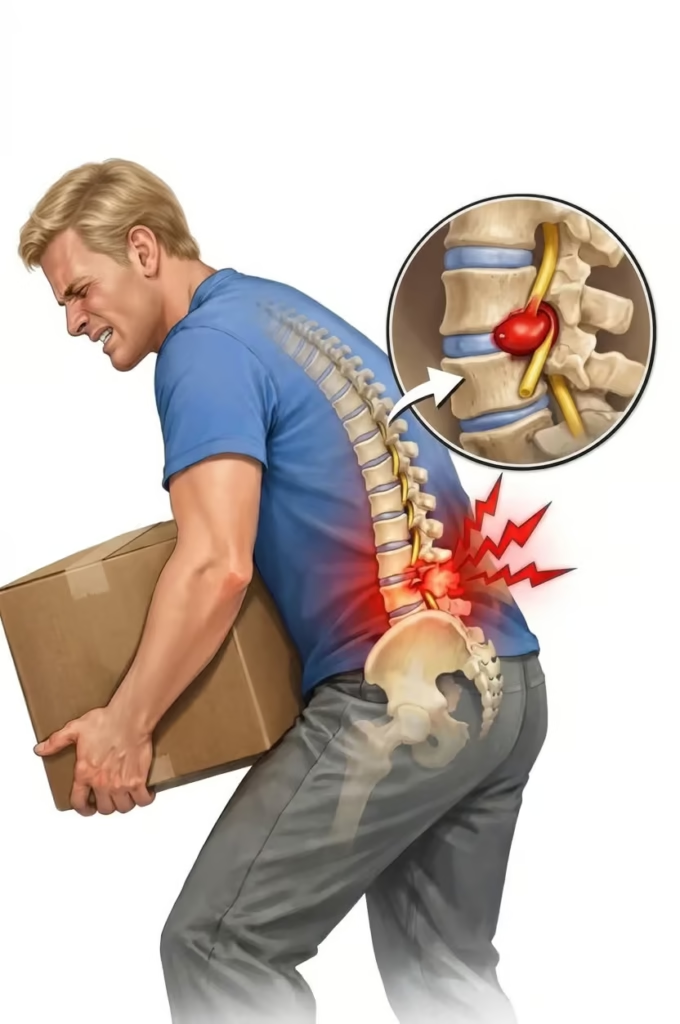
Let’s face it: our backs have a fundamental design challenge. They’re not made to withstand every extra stress and strain placed on them by daily activities. The bones in our backs need to be connected in a way that keeps them stable while still allowing enough flexibility for everyday movement.
This is possible because we have lots of small bones—the vertebrae—separated by discs made of tough connective tissue surrounding a soft, squashy center. Muscles and ligaments also crisscross between them. Being upright means gravity constantly compresses our spinal bones and discs. This complicated structure means there are lots of things that can go wrong. You can learn more about how the spine, muscles and other structures contribute to back pain.
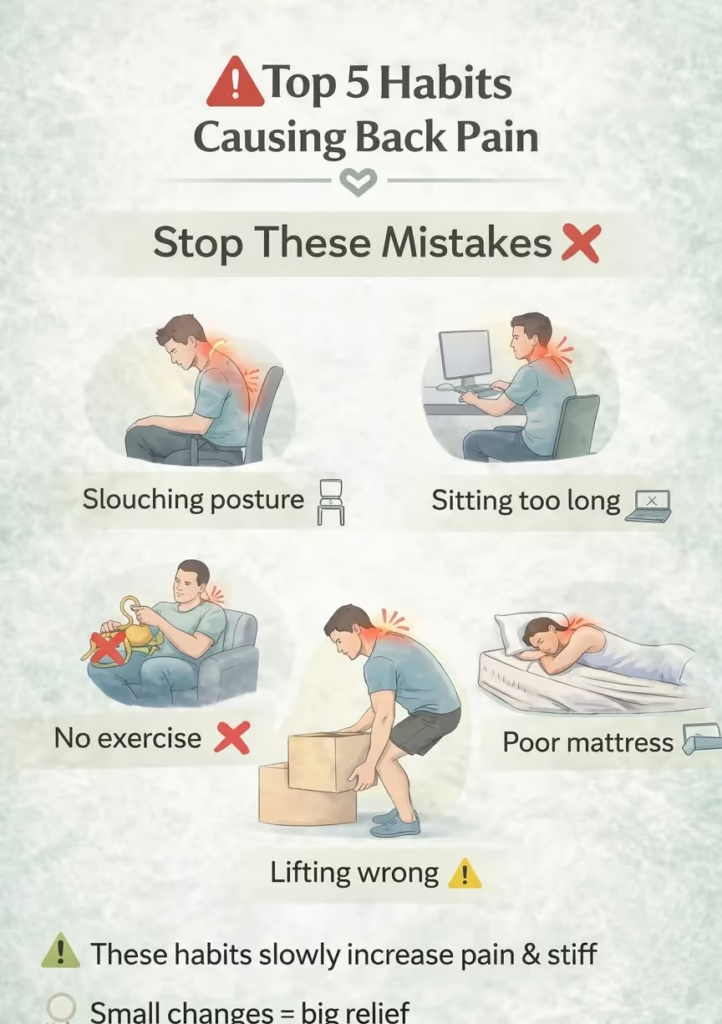
Being overweight may put additional strain on the structures of your back, while poor posture and prolonged sitting can contribute to discomfort. Spending long hours hunched over a computer doesn’t help either. Maintaining a healthy lifestyle, staying active and developing good daily habits can support your overall well-being. Read our guide to building a healthy body and maintaining a healthier lifestyle.






What Are the ‘Red Flag’ Warning Symptoms?
Certain symptoms, often called red flag symptoms, may suggest that back pain has a more serious cause. These include:
- Fever
- Recent trauma
- Unintentional weight loss
- A history of cancer
- Neurological symptoms such as numbness or weakness
- Incontinence (involuntary loss of urine or stool)
If any of these symptoms accompany your back pain, contact a healthcare professional promptly. Seek emergency medical care immediately for new bladder or bowel control problems, numbness around the groin or anus, or severe weakness in both legs. Read the NHS guidance on back pain warning signs and when to seek medical help.
Women’s Back Pain During Pregnancy
Back pain is common during pregnancy because of changes in posture, body weight and hormones. Some women find that their discomfort improves after delivery, while others may continue experiencing back pain for some time. If you’re pregnant and experiencing persistent or severe back pain, speak with your healthcare provider about safe ways to manage it.

What Treatments Can Help Relieve Back Pain?
Instead of relying solely on painkillers such as ibuprofen or stronger medications, several other approaches may help relieve back pain. The right treatment depends on the cause and severity of your symptoms. Explore the NHS recommendations for managing back pain for additional guidance.
For new lower back pain (lasting less than 12 weeks), some approaches that may help include:
- Heat: Applying comfortable warmth may help relax muscles and relieve discomfort.
- Massage: Gentle massage may help reduce muscle tension and pain.
- Acupuncture: This may help some people manage back pain.
- Yoga or Tai Chi: Gentle movement and stretching may improve flexibility and support pain management.











Your doctor may refer you to a physical therapist. The therapist may use hands-on techniques, exercises and movement guidance to help reduce pain and improve mobility. If you also experience muscle tightness or painful cramps, read our guide on muscle cramps, their causes and ways to find relief.
For more detailed information about treatment options, including physical therapy, heat and other approaches, visit the National Institute of Arthritis and Musculoskeletal and Skin Diseases (NIAMS) guide to back pain treatment.