

Muscle cramps are sudden, involuntary contractions that cause pain and temporary muscle stiffness. They commonly affect the legs, feet, calves, and back and may happen during exercise, at night, or after prolonged physical activity. Also known as muscle spasms, these painful contractions can last from a few seconds to several minutes.
Although most muscle cramps are harmless, they can interrupt sleep, affect physical activity, and make everyday movement uncomfortable. Understanding the common causes of muscle cramps, how to relieve them, and ways to prevent them can help you maintain an active and healthy lifestyle. You can also explore our guide to building a healthier body for more everyday wellness tips.
Common Causes of Muscle Cramps
Muscle cramps can develop for several reasons. They are especially common after physical activity, during hot weather, or while resting at night. Some common causes of leg cramps and other muscle spasms include:
- Muscle fatigue: Overworking muscles during exercise, sports, or physically demanding activities can lead to painful cramps.
- Dehydration: Not drinking enough fluids, particularly during hot weather or exercise, may contribute to muscle cramps.
- Electrolyte imbalances: Changes in minerals such as sodium, potassium, calcium, and magnesium can affect normal muscle function.
- Prolonged sitting or standing: Staying in the same position for extended periods may contribute to muscle tightness and discomfort.
- Certain medications: Some medicines, including certain blood pressure and cholesterol medications, may contribute to muscle cramps.
- Underlying health conditions: Nerve disorders, circulation problems, and certain metabolic conditions can sometimes cause recurring muscle cramps.
Some people also experience night leg cramps, which are sudden painful contractions that occur while sleeping or resting. These cramps commonly affect the calf muscles and may temporarily make it difficult to move the leg. People managing long-term conditions such as diabetes should discuss frequent or unexplained cramps with a healthcare professional. Read our article about living well with diabetes for more health information.
For additional medical information, visit MedlinePlus: Muscle Cramps.
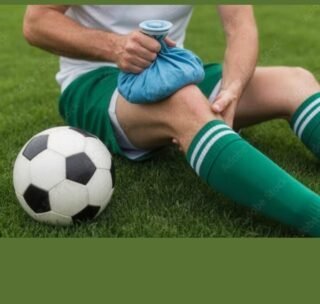


How to Prevent Muscle Cramps
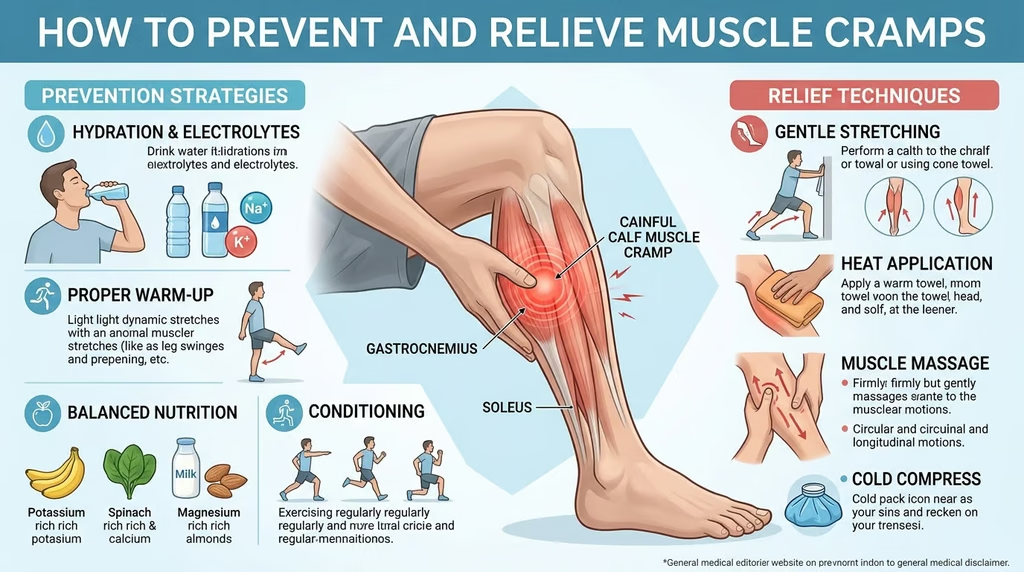
You can reduce the likelihood of muscle cramps by following healthy daily habits. Although prevention methods may not stop every cramp, regular movement, appropriate hydration, and muscle care can help support normal muscle function.
- Warm up before exercise: Prepare your muscles with gentle movements before strenuous activity or sports.
- Stretch regularly: Gentle stretching may improve flexibility and help reduce cramps associated with muscle tightness. Stretching your calves before bedtime may also help some people who experience night leg cramps.
- Stay hydrated: Drink fluids throughout the day and replace fluids lost through sweating during exercise or hot weather.
- Eat a balanced diet: Include fruits, vegetables, whole grains, dairy products or suitable alternatives, nuts, and seeds to support your overall nutrition and electrolyte balance.
- Increase exercise gradually: Avoid suddenly increasing the intensity or duration of your workouts. Give your muscles enough time to adapt.
- Take breaks from prolonged sitting: Move regularly, walk around, and change positions throughout the day.
- Pay attention to recurring cramps: Frequent or unexplained muscle cramps may require medical evaluation, especially if they interfere with sleep or daily activities.
A balanced lifestyle can support your overall health and physical well-being. For more practical ideas, read our self-care guide for men and women.
For more evidence-based advice, see the NHS guide to leg cramps, which explains practical ways to manage and reduce recurring cramps.
How to Relieve Muscle Cramps
If a muscle cramp occurs, stop the activity that triggered it and try these simple muscle cramp relief methods. Gentle movements may help the affected muscle relax and reduce discomfort.
- Gently stretch the affected muscle: Slowly lengthen the cramped muscle without forcing the movement.
- Massage the muscle: Gently rub the affected area to help ease tightness.
- Apply gentle warmth: A warm towel or heating pad may help relax a tight muscle.
- Drink water: If dehydration may be contributing to the cramp, drink fluids.
- Rest when necessary: Take a break from activities that worsen the discomfort and allow the muscle to recover.
How to relieve a calf cramp: Gently straighten the affected leg and pull your toes toward your shin if comfortable. Avoid sudden or forceful movements. You can also try standing carefully and placing weight on the affected leg if it feels safe to do so.
For additional guidance on treatment and self-care, read the Mayo Clinic’s muscle cramp treatment guide.
When Should You See a Doctor?
Most muscle cramps improve on their own, but frequent, severe, or persistent cramps should not be ignored. Seek medical advice if your cramps:
- Happen frequently or disturb your sleep.
- Cause severe pain or last longer than usual.
- Do not improve with gentle stretching and other basic self-care measures.
- Are accompanied by swelling, redness, or warmth in the affected area.
- Occur with muscle weakness, numbness, or difficulty moving.
A healthcare professional can assess possible causes, review your medications, and decide whether further tests are needed. Do not start supplements or stop prescribed medication without professional advice.