

Living With Diabetes: Take Control of Your Health and Enjoy Life
Living with diabetes can bring daily challenges, but it doesn’t mean you have to stop enjoying life. With the right diabetes management plan, healthy lifestyle choices, regular medical care, and a positive mindset, you can manage your blood sugar levels and support your long-term health. Whether you have type 1 or type 2 diabetes, building healthy daily habits can help you feel better and reduce the risk of complications.
Managing diabetes is about more than checking glucose levels. Eating balanced meals, staying physically active, taking prescribed medication, getting enough sleep, and attending regular checkups all play an important role. You can also explore our self-care guide for everyday health and wellness for more healthy lifestyle ideas.
Understanding Life With Diabetes
Diabetes is a chronic health condition that affects how your body regulates blood glucose (blood sugar). Insulin helps move glucose from your bloodstream into your cells for energy. When your body does not produce enough insulin or cannot use it effectively, blood sugar levels can become too high.
Living well with diabetes requires ongoing attention, but small, consistent steps can make a meaningful difference. Learning how food, exercise, stress, sleep, and medication affect your blood glucose can help you make informed decisions about your daily diabetes care. For more information, read the CDC guide to living with diabetes.
Healthy Habits for Managing Diabetes
1. Eat a Balanced Diet
Healthy eating is an important part of managing diabetes. Choose a variety of non-starchy vegetables, whole grains, fruits, lean proteins, beans, and healthy fats. Pay attention to portion sizes and carbohydrate intake because carbohydrates can affect blood glucose levels after meals. Try to eat regular, balanced meals and limit sugary drinks and highly processed foods. A registered dietitian or healthcare professional can help you create a meal plan that fits your needs.
2. Stay Physically Active
Regular physical activity can help your body use insulin more effectively and support blood sugar management. Walking, cycling, swimming, dancing, or other activities you enjoy can be good options. Start with manageable goals and gradually build a routine that works for you. Ask your healthcare professional about suitable activities and whether you need to monitor your blood sugar before or after exercise. The CDC guide to physical activity and diabetes offers more practical ideas.
3. Monitor Your Blood Sugar
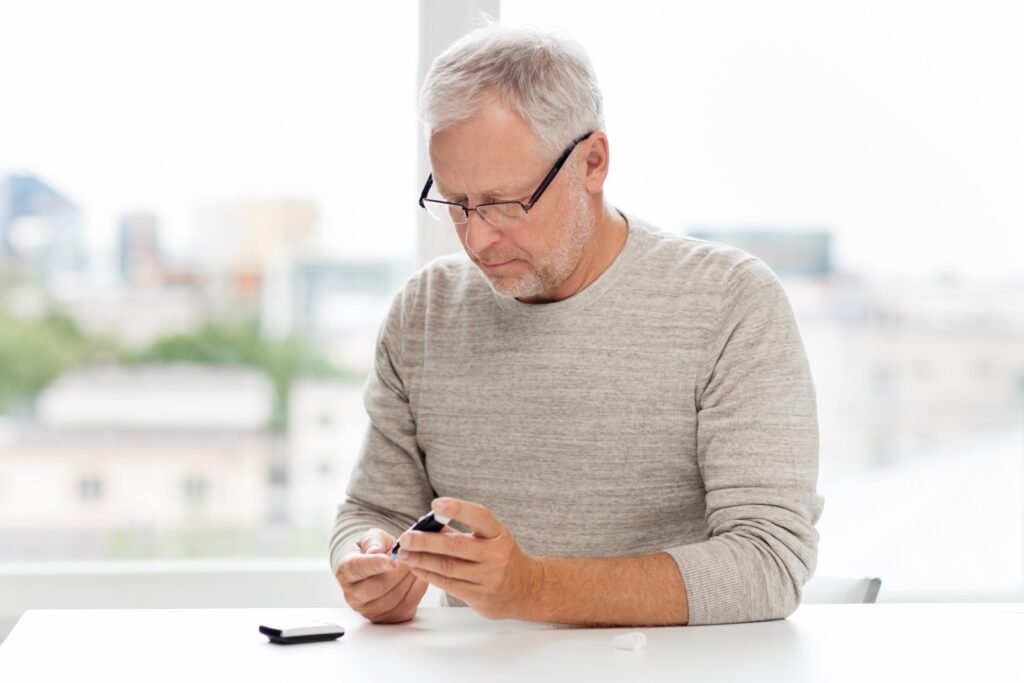
Checking your blood glucose as recommended by your healthcare team helps you understand how food, physical activity, stress, and medication affect your levels. Depending on your treatment plan, you may use a blood glucose meter or a continuous glucose monitor (CGM). Keep a record of your readings and discuss unusual results with your healthcare professional. Learn more from the CDC’s guide to managing blood sugar.
4. Take Your Medication as Prescribed
Follow your diabetes treatment plan and take your medication exactly as directed. Some people manage diabetes with lifestyle changes, while others need medication or insulin. Never stop, skip, or change your prescribed medication without discussing it with your healthcare professional, even when you feel well. Regular reviews can help your healthcare team determine whether your treatment plan is working effectively.
5. Prioritize Sleep and Stress Management
Good-quality sleep and stress management can support your overall health and diabetes care routine. Stress and poor sleep may affect blood glucose levels, so try to maintain a regular sleep schedule and make time to relax. Meditation, deep breathing, gentle exercise, and spending time outdoors may help you manage everyday stress. You can also read our healthy body and wellness guide for more inspiration to build positive health habits.
6. Take Care of Your Feet
Diabetes can sometimes affect nerves and blood circulation, making foot problems harder to notice or heal. Check your feet every day for cuts, blisters, redness, swelling, or sores. Wash and dry them carefully, wear comfortable and well-fitting shoes, and avoid walking barefoot. Contact your healthcare professional promptly if you notice a wound, infection, or unusual change. Read the CDC’s advice on diabetes and foot care for more guidance.

Build a Positive Mindset
Managing diabetes can sometimes feel overwhelming, and it’s okay to have difficult days. Focus on progress rather than perfection. Celebrate small achievements, ask for support when needed, and remember that you don’t have to manage everything alone. Building a consistent routine can make healthy choices feel easier over time.
Regular diabetes checkups and open communication with your healthcare team are also essential. Depending on your individual needs, your care may include HbA1c blood tests, blood pressure checks, cholesterol tests, kidney assessments, and regular eye and foot examinations. These appointments can help identify potential diabetes complications early. See the CDC diabetes care schedule for an overview of routine health checks.
Self-Reflection Questions
Making small changes is often a practical way to improve your diabetes self-care routine. Ask yourself these questions:
- What healthy habits can I develop to manage my diabetes more effectively?
- How can I improve my eating habits and daily physical activity?
- Am I following my prescribed treatment plan and attending regular medical checkups?
- Am I checking my blood sugar and taking care of my feet as recommended?
- What small step can I take today to improve my overall health and well-being?
Final Thoughts on Living With Diabetes
Diabetes does not define you. With the right support, informed lifestyle choices, and consistent diabetes care, you can take an active role in managing your blood sugar and protecting your long-term health. Focus on balanced nutrition, regular movement, medication adherence, blood glucose monitoring, and routine medical checkups. Every positive step counts toward living a healthier and more fulfilling life.
Medical disclaimer: This article is for general educational purposes only and is not a substitute for professional medical advice, diagnosis, or treatment. Diabetes management varies from person to person. Always consult your healthcare professional before making changes to your diet, exercise routine, or medication.