
High blood pressure, also known as hypertension, is a common health condition in which the force of blood against the walls of the arteries remains consistently elevated. If left unmanaged, it can increase the risk of heart disease, stroke, kidney disease, and other serious health problems. Because high blood pressure often has no noticeable symptoms, regular blood pressure checks are essential.
What Are the Symptoms of High Blood Pressure?
Most people with high blood pressure do not experience obvious symptoms. The condition is often discovered during routine health screenings. Very high blood pressure can sometimes be associated with symptoms such as severe headaches, chest pain, shortness of breath, or vision changes. These symptoms require urgent medical assessment.
Common Causes and Risk Factors
Several factors can increase the risk of developing high blood pressure:
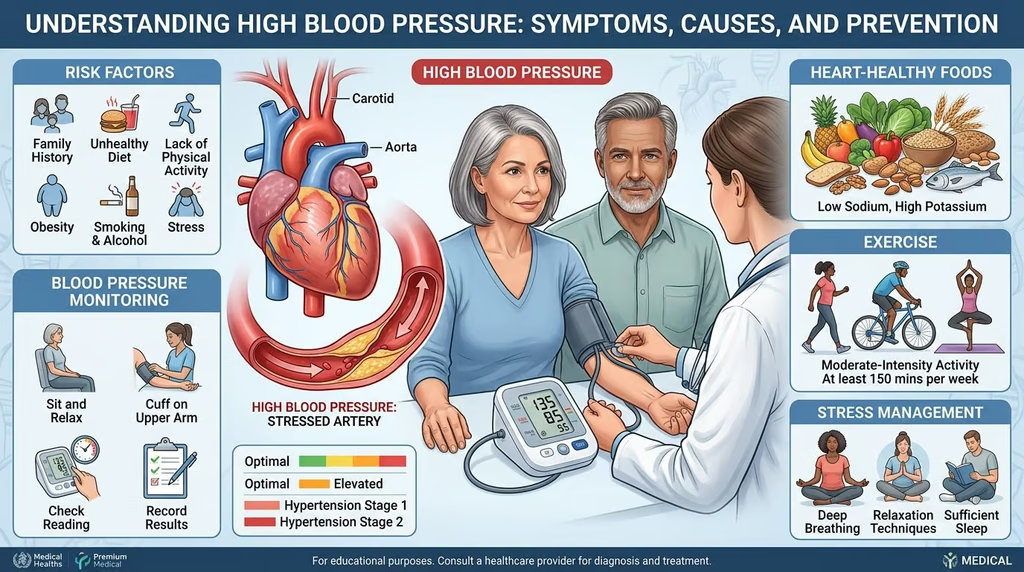
- High sodium intake: Consuming too much salt may raise blood pressure.
- Physical inactivity: Limited physical activity can increase cardiovascular risk.
- Unbalanced diet: Diets high in processed foods and low in fruits and vegetables may contribute to hypertension.
- Excessive alcohol consumption: Drinking too much alcohol can raise blood pressure.
- Chronic stress: Ongoing stress may contribute to unhealthy habits and elevated blood pressure.
- Family history and age: Genetics and aging can increase the risk.
- Underlying health conditions: Kidney disease, diabetes, and sleep apnea may contribute to high blood pressure.
How to Manage High Blood Pressure
Healthy lifestyle choices can help prevent and manage hypertension.
- Eat a balanced diet. Include vegetables, fruits, whole grains, beans, and other nutrient-rich foods. The DASH eating plan is one dietary approach commonly recommended for blood pressure management.
- Reduce sodium intake. Limit salty snacks, processed meats, instant foods, and other products high in sodium.
- Exercise regularly. Aim for consistent physical activity suited to your health and fitness level.
- Maintain a healthy sleep routine. Adults generally need seven to nine hours of sleep per night.
- Manage stress. Try relaxation techniques, deep breathing, meditation, or enjoyable activities.
- Limit alcohol and avoid smoking. These changes can support better cardiovascular health.
- Monitor your blood pressure. Regular measurements help you and your healthcare professional understand your blood pressure patterns.
Diagnosis and Treatment
Blood pressure is measured using a blood pressure monitor. A healthcare professional may recommend repeated measurements or home monitoring to confirm a diagnosis.
Treatment may include lifestyle changes and prescribed medication. If you already take blood pressure medicine, do not stop or change your dose without consulting your healthcare professional.
When to Seek Medical Help
If your blood pressure reading is above 180/120 mmHg, wait at least one minute and measure it again. If it remains that high, contact a healthcare professional immediately. If it is accompanied by chest pain, shortness of breath, weakness, numbness, vision changes, or difficulty speaking, call emergency services.
The Bottom Line
Regular screening, balanced nutrition, physical activity, reduced sodium intake, and appropriate medical care can help protect your heart and support long-term health.
This guide is for general informational purposes only and is not a substitute for professional medical advice.