
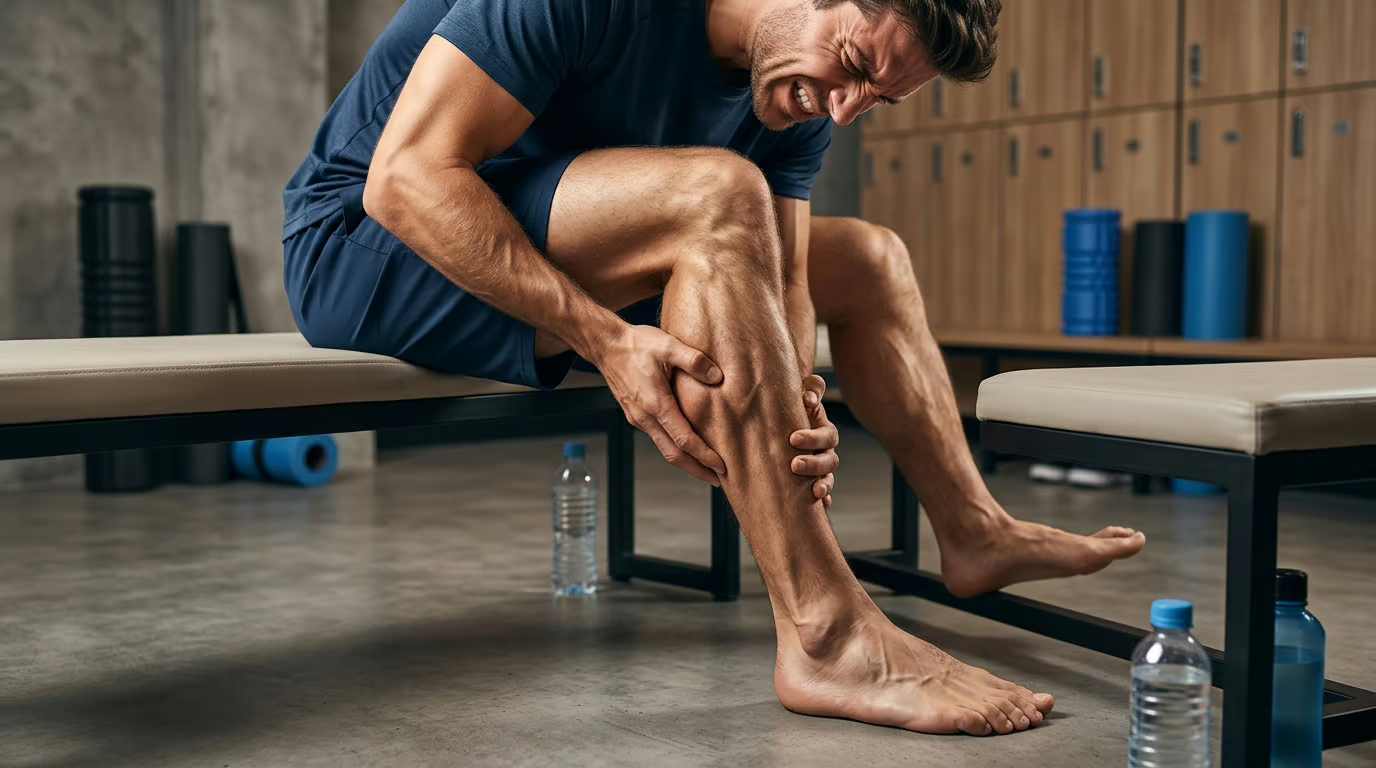
Have you ever experienced sudden, painful muscle tightening while exercising, walking, or sleeping? Muscle cramps can happen unexpectedly and make even simple activities uncomfortable.
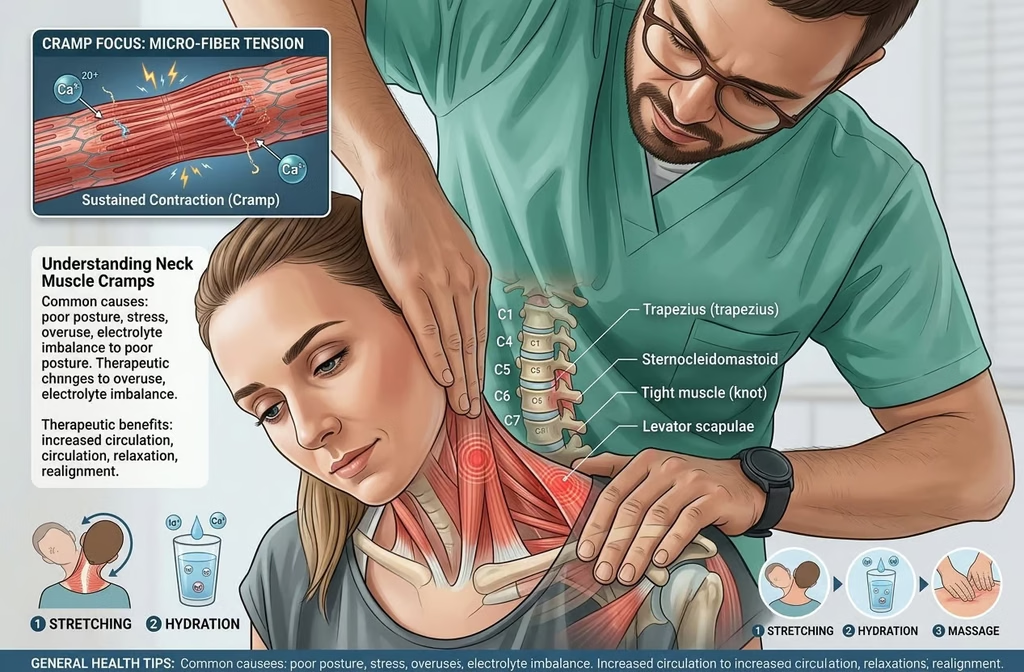
A muscle cramp occurs when one or more muscles contract involuntarily and become temporarily tight. Although most cramps are harmless and disappear within seconds or minutes, some can cause significant discomfort and may leave the affected muscle sore afterward. Learn more about muscle cramps, their causes and treatments.
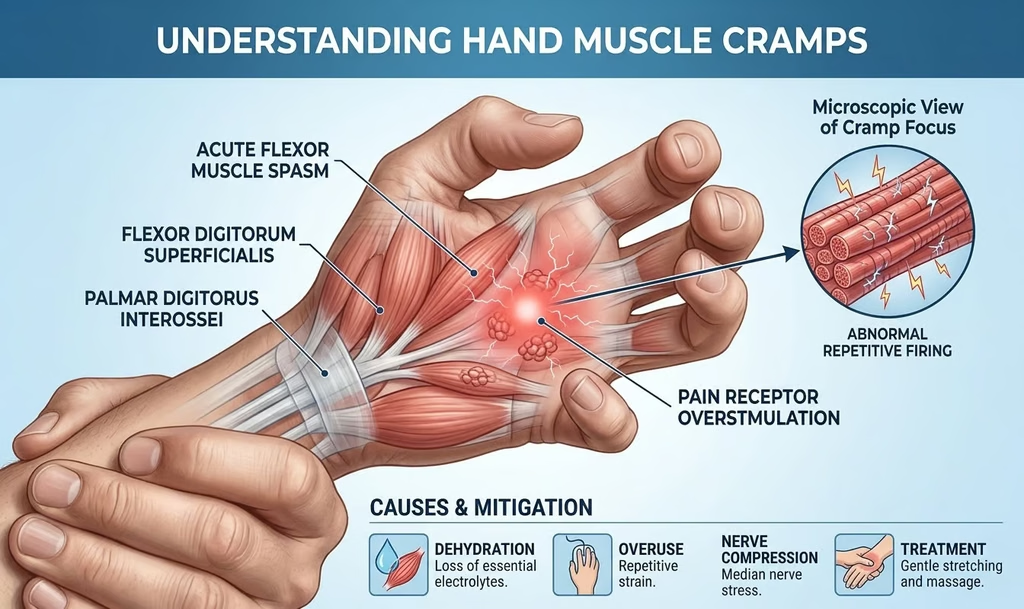
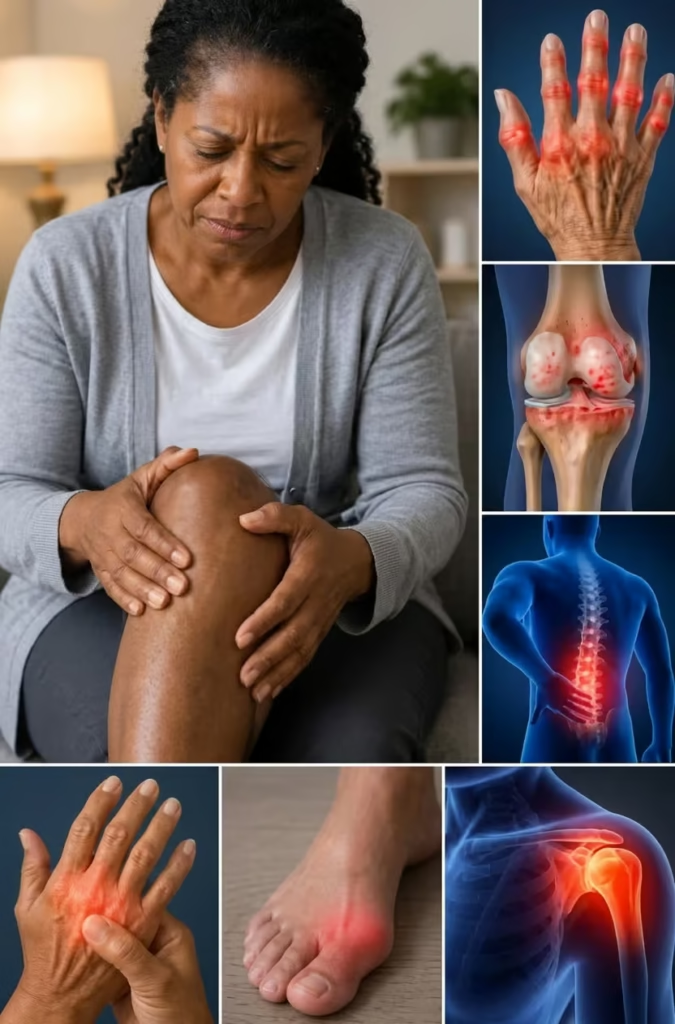
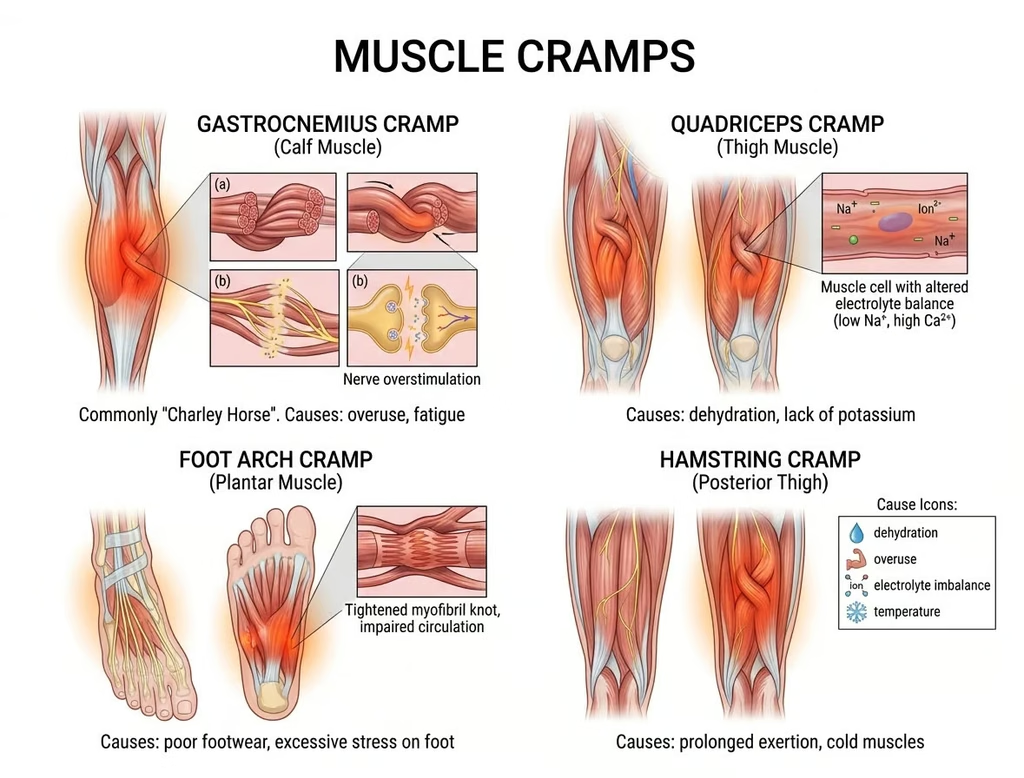
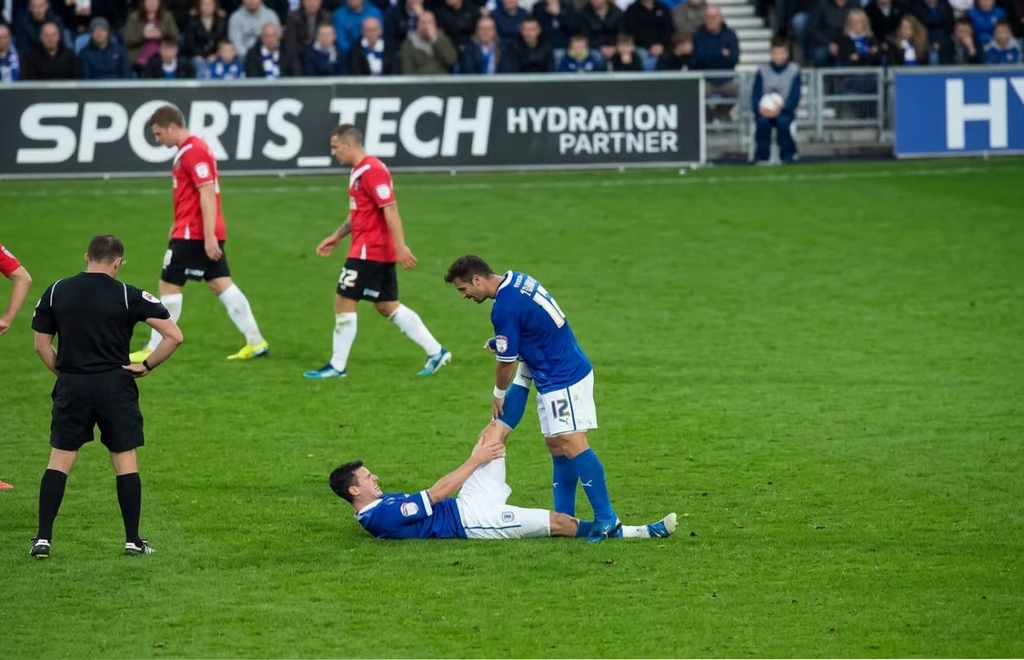
Muscle cramps commonly affect the calves, thighs, feet, hands, and back. They can occur during physical activity, at night, or even while resting. Understanding the causes of muscle cramps and knowing how to relieve them can help you manage discomfort and reduce the chances of experiencing them again. In this guide, we’ll explore common causes, effective home treatments, prevention tips, and warning signs that may require medical attention.
What Causes Muscle Cramps?
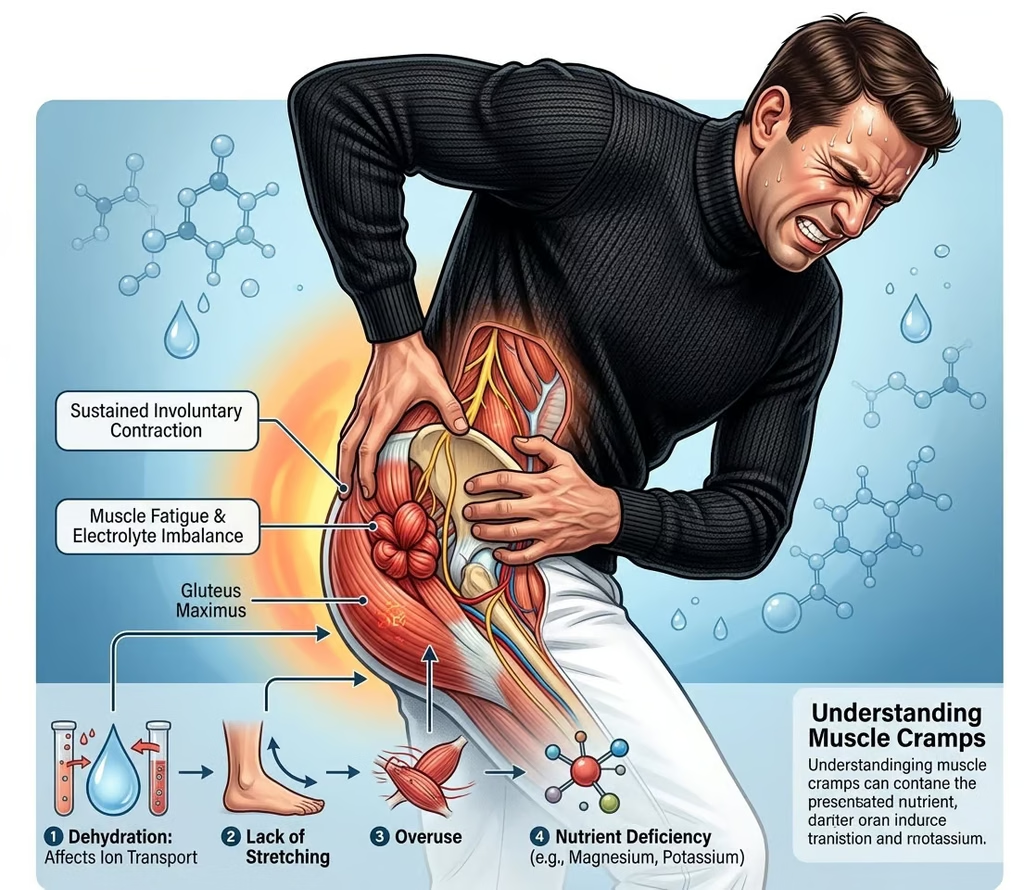
Muscle cramps can develop for several reasons. Sometimes, there is no obvious cause. However, certain activities, lifestyle habits, medications, and health conditions may increase the likelihood of experiencing them. According to the American Academy of Orthopaedic Surgeons, muscle fatigue, dehydration, and electrolyte loss can contribute to cramping.
Here are some common causes.
1. Dehydration
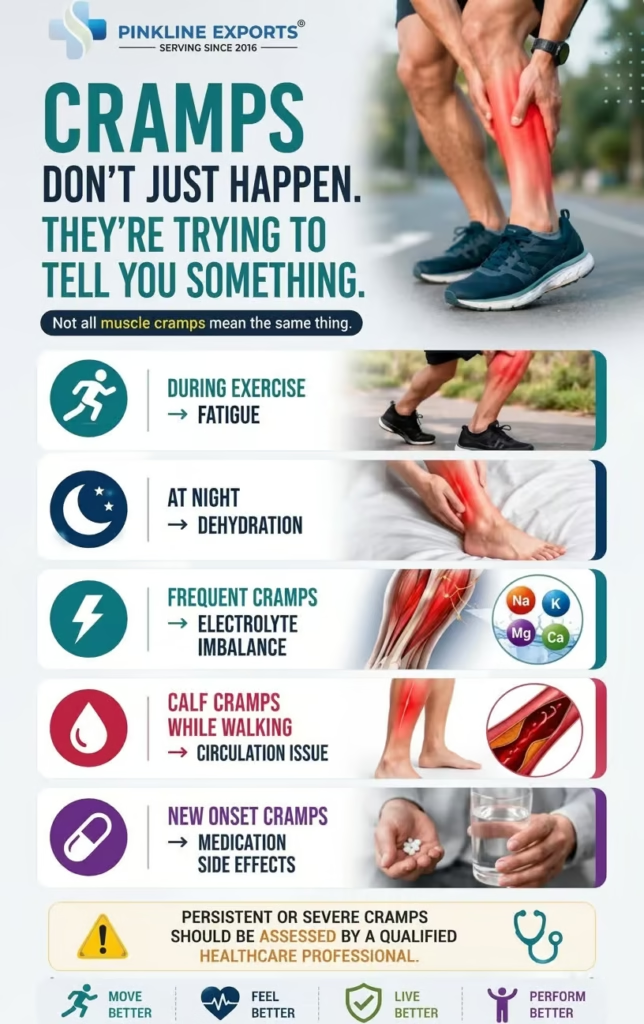
Not drinking enough fluids can contribute to muscle cramps, particularly when you lose significant amounts of water through sweating. This can happen during exercise, outdoor activities, or exposure to hot weather. To maintain proper hydration, drink water regularly throughout the day and replace fluids lost during physical activity. Read more about the causes and symptoms of dehydration.
2. Muscle Overuse and Physical Exhaustion
Exercising too intensely or using the same muscles repeatedly can lead to muscle fatigue and cramping. People who suddenly increase their workout intensity without proper preparation may be more likely to experience cramps. Gradually increasing exercise intensity and allowing adequate recovery time can help reduce unnecessary muscle strain. You can also explore our guide to building a healthy body and maintaining an active lifestyle for more everyday wellness tips.
3. Mineral Imbalances
Electrolytes such as potassium, calcium, magnesium, and sodium help regulate normal muscle and nerve function. Significant losses or imbalances of these minerals may contribute to muscle cramps, particularly during intense exercise, excessive sweating, or certain medical conditions. However, not every muscle cramp is caused by a mineral deficiency.
4. Poor Stretching and Muscle Flexibility
Muscles that are not accustomed to particular physical activities may become more vulnerable to fatigue and discomfort. Skipping warm-ups, performing unfamiliar exercises, or remaining in one position for extended periods may contribute to muscle problems. Gentle stretching and appropriate movement can support flexibility and physical comfort.
5. Nighttime Muscle Cramps
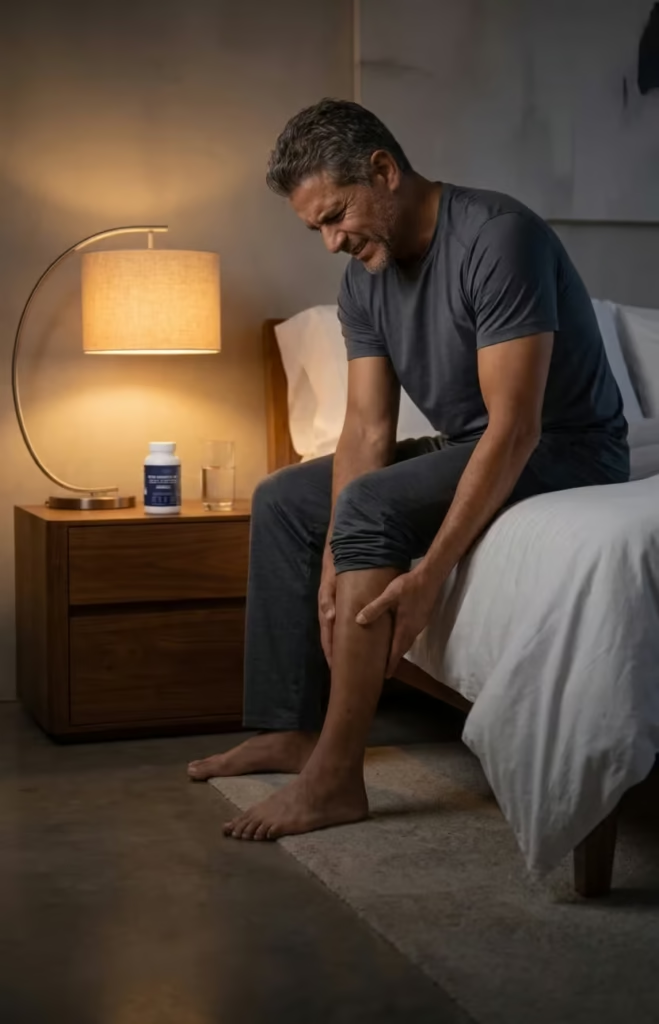
Some people experience painful leg cramps while sleeping or resting. These cramps commonly affect the calf muscles and can suddenly wake someone from sleep. Nighttime cramps may become more common with age. Pregnancy, certain medications, and underlying health conditions can also contribute. The NHS guide to leg cramps explains common causes and ways to manage nighttime discomfort.
6. Certain Medications and Health Conditions
Some medications may increase the likelihood of muscle cramps. For example, certain diuretics and cholesterol-lowering medications can be associated with muscle symptoms. Health conditions involving the nerves, thyroid, kidneys, or circulation may also contribute. People managing conditions such as diabetes should also pay attention to changes in their health. Read our guide to living well with diabetes for more information. If cramps begin after starting a new medication, discuss the symptoms with your healthcare provider rather than stopping the medication yourself.
How to Relieve Muscle Cramps Quickly
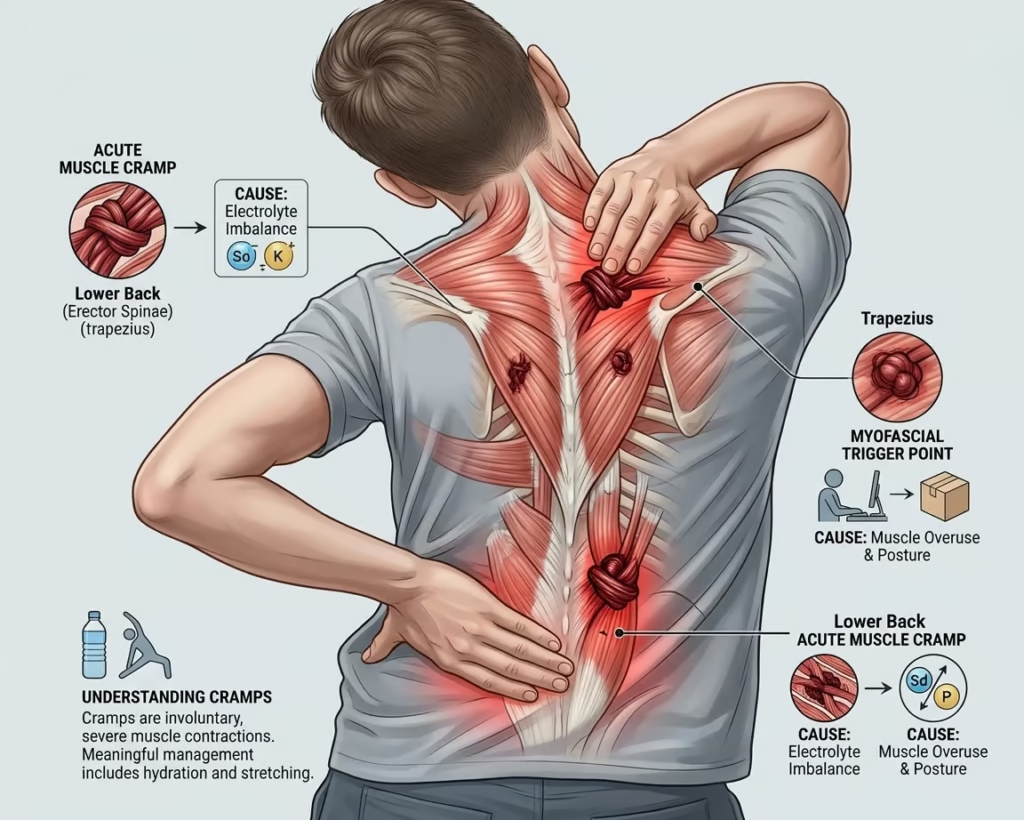
When a muscle cramp occurs, the first goal is to relax the affected muscle and reduce discomfort. According to MedlinePlus guidance on muscle cramp treatment, gentle stretching and massage may help relieve symptoms.
Try these practical steps.
1. Stop the Activity
If a cramp develops during exercise or physical activity, stop and allow the affected muscle to rest. Continuing to exercise through significant pain may increase muscle discomfort. Find a comfortable position and avoid putting unnecessary pressure on the affected area.
2. Gently Stretch the Affected Muscle
Stretching is one of the most useful ways to relieve an active muscle cramp. The NHS recommends gentle stretching for leg cramps.
For a calf cramp:
-
Sit down and straighten the affected leg.
-
Gently pull your toes toward your body.
-
Keep your knee straight if comfortable.
-
Hold the stretch until the muscle begins to relax.
-
Repeat gently if necessary.
Avoid sudden or aggressive movements that could cause additional discomfort.
3. Massage the Muscle
Gently massaging the affected area may help relax a tight muscle. Use your fingers to apply comfortable pressure around the cramped area. Avoid excessive pressure, especially if the area is swollen, unusually tender, or injured.
4. Apply Warmth
A warm towel, heating pad, or warm shower may help relax a tense muscle. Apply comfortable warmth for a short period and avoid temperatures that could burn your skin. If the muscle remains sore after the cramp has stopped, applying a wrapped cold pack may help relieve discomfort.
5. Drink Water if You’re Dehydrated
If the cramp occurs after heavy sweating, exercise, or inadequate fluid intake, drinking water may help. For prolonged intense exercise or significant fluid and electrolyte losses, an appropriate electrolyte replacement drink may sometimes be useful. Ordinary muscle cramps do not automatically require sports drinks or supplements.


How to Prevent Muscle Cramps
Although not every muscle cramp can be prevented, several healthy habits may help reduce the risk.
1. Stay Properly Hydrated
Make drinking water a regular part of your daily routine. Pay particular attention to hydration during hot weather, exercise, and activities that cause excessive sweating. Your fluid requirements depend on your activity level, climate, and individual health needs. Learn more about recognizing and preventing dehydration.
2. Warm Up Before Exercise
Prepare your muscles before starting demanding physical activities.
A simple warm-up may include:
-
Five to ten minutes of light walking.
-
Gentle leg swings.
-
Arm circles.
-
Light bodyweight movements.
-
Dynamic stretching appropriate to your activity.
Begin exercising gradually rather than immediately performing intense movements.
3. Stretch Regularly
Regular gentle stretching may help reduce the frequency of some muscle cramps, especially nighttime leg cramps. Focus on the muscle groups that commonly become tight, such as your calves, hamstrings, and thighs. If you frequently experience nighttime calf cramps, consider adding gentle calf stretches before bedtime. See the NHS calf-stretching advice for additional guidance.
4. Increase Exercise Intensity Gradually
Avoid suddenly increasing workout duration, resistance, or intensity. Give your muscles enough time to adapt to new activities. Include rest days when necessary and allow adequate recovery between demanding workouts.
5. Eat a Balanced Diet
A balanced diet provides nutrients that support normal muscle function. For more everyday nutrition and wellness ideas, explore our article about building a healthy body through balanced lifestyle habits.
Include foods containing essential minerals and vitamins, such as:
-
Bananas and oranges.
-
Spinach and other leafy vegetables.
-
Milk and yogurt.
-
Beans and lentils.
-
Nuts and seeds.
-
Fish and eggs.
These foods can contribute to a nutritious diet, but eating specific foods does not guarantee that muscle cramps will disappear.
6. Choose Comfortable Footwear
Shoes that provide appropriate support can help improve comfort during walking, running, and other activities. Choose footwear suitable for your activity and avoid shoes that cause unnecessary pressure or discomfort.
7. Maintain a Healthy Exercise Routine
Regular physical activity supports muscle strength, flexibility, and general fitness. Combine moderate aerobic exercise with appropriate strength training and flexibility activities. Avoid pushing your body beyond its current fitness level.
Understanding Nighttime Leg Cramps
Nighttime leg cramps can be particularly frustrating because they interrupt sleep and may leave your legs sore the following morning. They commonly affect the calf muscles, although the feet and thighs can also be involved. The NHS guide to nighttime leg cramps provides additional information about symptoms and self-care.
If you experience nighttime cramps, consider these habits:
-
Stretch your calf muscles gently before bed.
-
Avoid sudden increases in physical activity.
-
Stay adequately hydrated throughout the day.
-
Try a short period of gentle movement before sleeping.
-
Maintain a comfortable sleeping position.
If nighttime cramps happen frequently, disturb your sleep, or are accompanied by other symptoms, speak with a healthcare professional to identify possible causes.
When Should You See a Doctor?
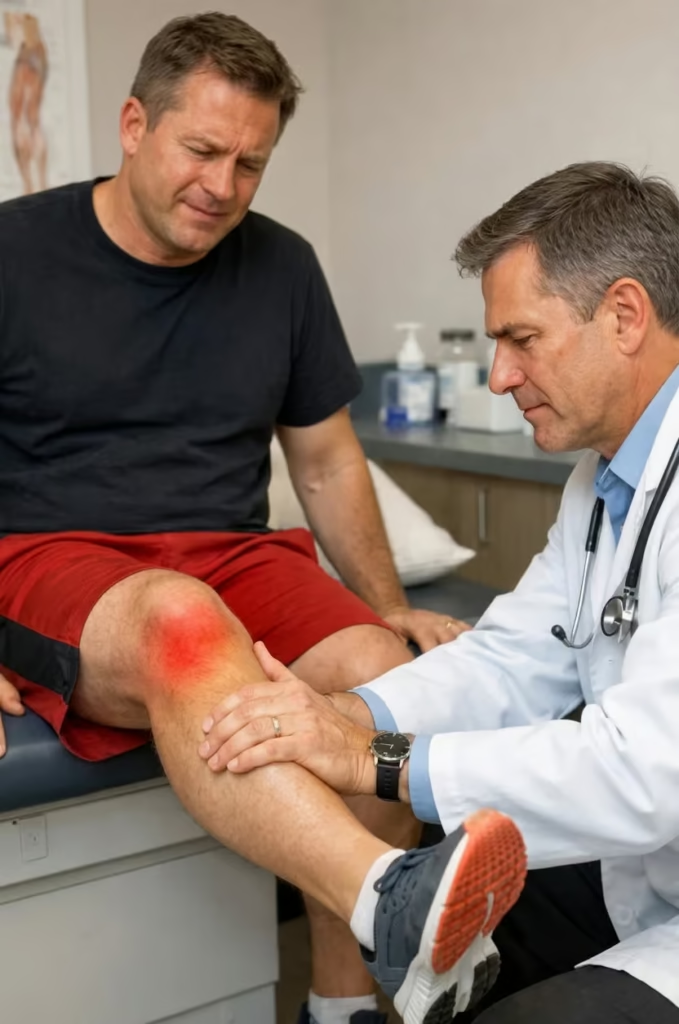
Most ordinary muscle cramps improve with simple self-care. However, recurring or unusually severe cramps should not be ignored. According to MedlinePlus medical guidance, frequent, severe, or persistent cramps may need medical evaluation.
Consider contacting a healthcare professional if your cramps:
-
Happen frequently or become increasingly painful.
-
Last longer than expected or repeatedly return.
-
Interfere with sleep or everyday activities.
-
Are accompanied by numbness or muscle weakness.
-
Occur with swelling, redness, or warmth in the affected area.
-
Do not improve with basic stretching and hydration.
Seek urgent medical attention if severe muscle pain or swelling occurs with marked weakness or dark, cola-colored urine, particularly after intense exercise. A healthcare professional can review your symptoms, medications, and medical history to determine whether further evaluation or treatment is necessary. Avoid taking magnesium, potassium, or other supplements specifically for muscle cramps without discussing their suitability with a healthcare professional.
Frequently Asked Questions About Muscle Cramps
1. What is the most common cause of muscle cramps?
Muscle overuse, fatigue, and dehydration can contribute to muscle cramps. However, many cramps occur without a clearly identifiable cause.
2. How can I stop a muscle cramp immediately?
Stop the activity, gently stretch the affected muscle, and massage it if comfortable. For a calf cramp, straighten your leg and pull your toes gently toward your body.
3. Why do I get leg cramps at night?
Nighttime leg cramps can occur for several reasons, including age-related changes, muscle fatigue, pregnancy, certain medications, and underlying health conditions. Sometimes the exact cause is unknown.
4. Can drinking water prevent muscle cramps?
Staying hydrated can help reduce cramps associated with dehydration. However, drinking extra water will not prevent every type of muscle cramp.
5. Which foods may support healthy muscle function?
Foods containing potassium, calcium, and magnesium include bananas, leafy vegetables, yogurt, beans, nuts, seeds, and fish. A balanced diet helps provide nutrients needed for normal muscle function.
6. Are muscle cramps dangerous?
Most muscle cramps are temporary and harmless. However, frequent, severe, or persistent cramps, especially when accompanied by swelling or weakness, may require medical evaluation.
7. Can stretching prevent nighttime leg cramps?
Regular gentle calf stretching before bedtime may help reduce the frequency of nighttime leg cramps in some people, although it may not prevent every episode.
Final Thoughts
Muscle cramps can be uncomfortable, unpredictable, and disruptive to everyday life. Fortunately, most ordinary cramps can be managed with simple measures such as gentle stretching, massage, rest, and appropriate hydration.
Developing healthy habits, warming up before exercise, eating a balanced diet, and allowing your muscles enough recovery time may also help reduce the likelihood of future cramps.
Remember that frequent or severe muscle cramps should not be dismissed as ordinary fatigue. If symptoms persist or occur alongside other concerning signs, consult a qualified healthcare professional.
Taking care of your muscles is an important part of maintaining an active, comfortable, and healthy lifestyle.
Medical Disclaimer: This article is intended for general educational purposes only. It does not replace professional medical advice, diagnosis, or treatment. Always consult a qualified healthcare professional about persistent symptoms or individual health concerns.