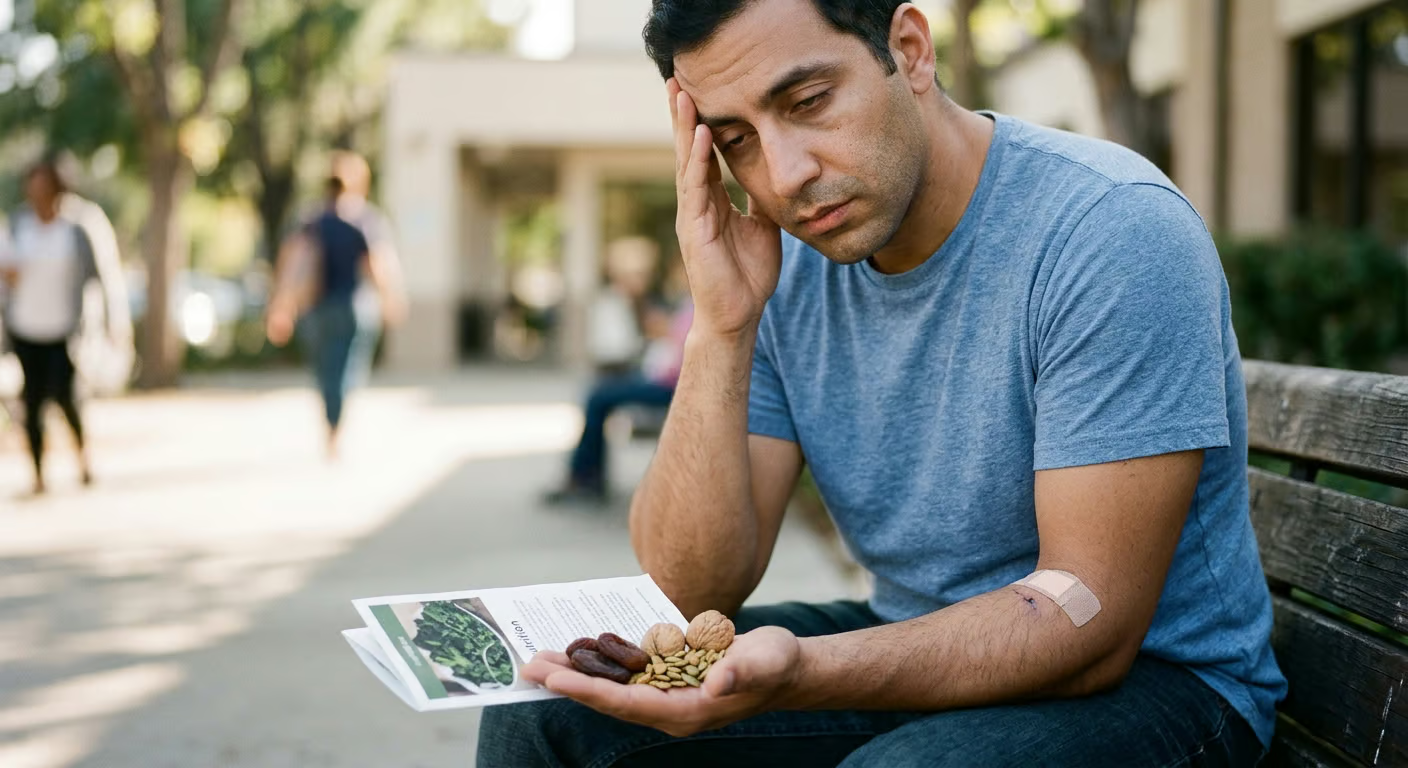
Iron deficiency anemia is one of the most common types of anemia. It occurs when your body does not have enough iron to produce sufficient hemoglobin, the protein in red blood cells that carries oxygen throughout the body. Without enough iron, your body may produce fewer healthy red blood cells, leaving you feeling tired, weak, or short of breath. Understanding the symptoms, causes, and treatment of iron deficiency anemia can help you recognize the condition and seek appropriate medical care.
Iron deficiency can affect people of all ages, but women with heavy menstrual periods and people who are pregnant may have a higher risk. A balanced diet, early diagnosis, and appropriate treatment can help restore healthy iron levels. Learn more about building healthy habits for better overall health.
Common Symptoms of Iron Deficiency Anemia
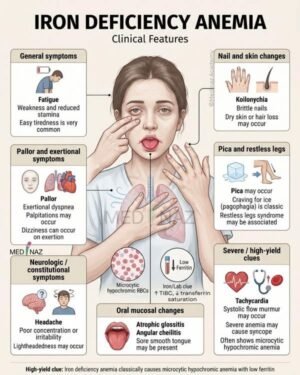
Iron deficiency anemia symptoms may develop gradually, and some people may not notice them at first. As iron levels continue to fall, symptoms can become more noticeable. Common signs include:
- Fatigue and weakness
- Pale skin
- Shortness of breath, especially during physical activity
- Dizziness or lightheadedness
- Headaches
- Cold hands and feet
- Brittle or spoon-shaped nails
- Heart palpitations or a noticeable heartbeat
- Sore tongue or unusual cravings for non-food items, such as ice
These symptoms can also be caused by other health conditions. If you experience persistent tiredness, unexplained weakness, or breathlessness, speak with a healthcare professional rather than assuming you have an iron deficiency.
What Causes Iron Deficiency Anemia?
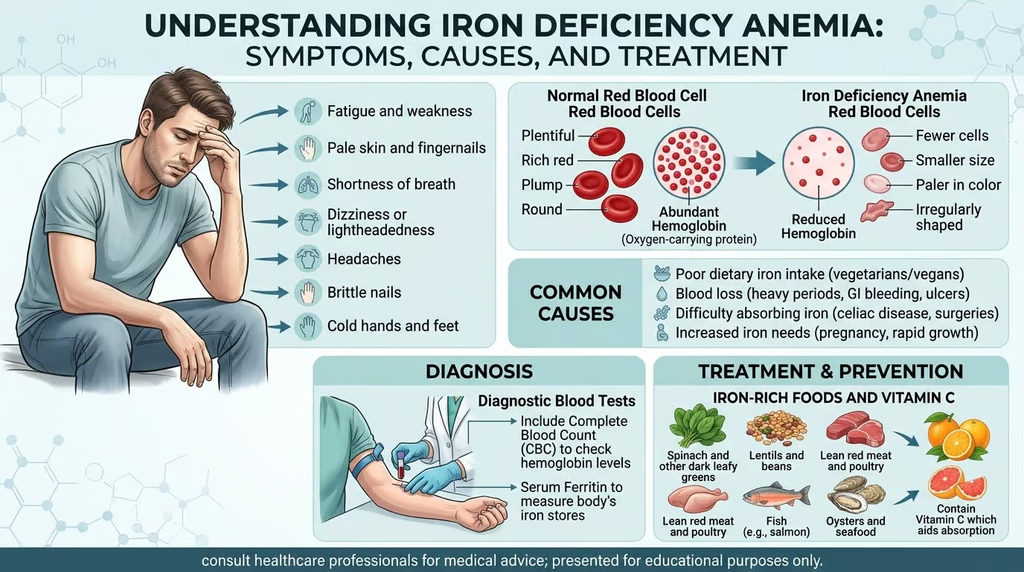
Iron deficiency anemia develops when the body does not get enough iron, cannot absorb enough iron, or loses more iron than it can replace. Several factors can contribute to low iron levels, including:
- Low iron intake: Not consuming enough iron-rich foods, particularly when following a diet with limited sources of iron.
- Blood loss: Heavy menstrual periods, gastrointestinal bleeding, stomach ulcers, or other sources of ongoing blood loss.
- Pregnancy: The body needs more iron during pregnancy to support the growth and development of the baby.
- Poor iron absorption: Certain digestive conditions or surgeries can affect how the body absorbs iron from food.
- Frequent blood donation: Regular blood donation may contribute to reduced iron stores in some people.
Women experiencing heavy periods should discuss ongoing blood loss with a healthcare professional. You can also read our guide to menopause symptoms and women’s health for more information about changes that can affect women’s well-being.
How Is Iron Deficiency Anemia Diagnosed?
Doctors typically use blood tests to diagnose iron deficiency anemia and understand what may be causing it. Common tests include:
- Complete blood count (CBC): Measures different blood components, including red blood cells and hemoglobin.
- Hemoglobin test: Checks the amount of hemoglobin in your blood.
- Ferritin test: Measures ferritin, a protein that stores iron. A low ferritin level can indicate that your body’s iron stores are low.
Depending on your symptoms and medical history, your doctor may recommend additional tests to identify the underlying cause, such as blood loss or an absorption problem. Finding the cause is an important part of treating iron deficiency anemia effectively.
For more information, read the NHS guide to iron deficiency anemia.
Iron-Rich Foods to Include in Your Diet
Eating a balanced diet with enough iron can help maintain healthy iron stores and support red blood cell production. Including a variety of iron-rich foods in your daily meals is a useful part of a healthy eating routine.
Some good dietary sources of iron include:
- Lean red meat and poultry
- Fish and seafood
- Beans, lentils, and chickpeas
- Spinach and other leafy green vegetables
- Iron-fortified cereals and bread
- Nuts and seeds
- Dried fruits, such as raisins and dried apricots
How Vitamin C Helps Your Body Absorb Iron
Vitamin C helps your body absorb non-heme iron, the type of iron found in plant-based foods. Combining iron-rich foods with vitamin C sources can make it easier for your body to absorb iron from meals.
Try combining foods such as:
- Lentils with tomatoes or bell peppers
- Spinach with lemon juice
- Beans with fresh vegetables
- Iron-fortified cereal with strawberries or oranges
Oranges, strawberries, broccoli, and bell peppers are useful sources of vitamin C. You can find more information in the NIH guide to iron and iron absorption.
Treatment and Prevention of Iron Deficiency Anemia
Treatment for iron deficiency anemia depends on the underlying cause and how severe the deficiency is. A healthcare professional may recommend dietary changes, prescribed iron supplements, or further medical investigation to identify blood loss or problems with iron absorption.
If iron supplements are recommended, follow your doctor’s instructions about the correct dose and how long to take them. Some people experience side effects such as constipation, nausea, or stomach discomfort. Follow-up blood tests may be needed to check whether iron levels are improving.
Do not start taking high-dose iron supplements without medical advice. Too much iron can be harmful, and iron supplements are not appropriate for everyone. Keep them out of the reach of children because accidental overdose can be dangerous.
To support healthy iron levels, consider eating a varied diet, including iron-rich foods, and seeking medical advice if you have risk factors such as heavy menstrual bleeding or ongoing digestive problems. General wellness habits also matter; explore our self-care guide for men and women for more everyday health tips.
For additional guidance, visit the World Health Organization’s information on anemia.
When to See a Doctor
Consult a healthcare professional if you experience persistent fatigue, unexplained weakness, dizziness, pale skin, heart palpitations, or shortness of breath. Seek medical advice if you have heavy menstrual periods or suspect ongoing blood loss. A blood test can help determine whether you have iron deficiency anemia and whether further investigation is needed.
Frequently Asked Questions About Iron Deficiency Anemia
What is the most common symptom of iron deficiency anemia?
Persistent tiredness and a lack of energy are common symptoms. Some people may also experience weakness, pale skin, headaches, dizziness, or shortness of breath.
Which foods are high in iron?
Red meat, fish, poultry, lentils, beans, chickpeas, leafy green vegetables, nuts, seeds, and iron-fortified cereals are good sources of dietary iron.
Can vitamin C help with iron absorption?
Yes. Vitamin C helps the body absorb non-heme iron from plant-based foods. Eating oranges, strawberries, tomatoes, or bell peppers alongside iron-rich plant foods can help improve absorption.
Can iron deficiency anemia be treated?
Yes. Treatment may include iron supplements, dietary changes, and addressing the underlying cause of iron loss or poor absorption. The right treatment depends on an individual’s medical condition and should be guided by a healthcare professional.
Medical Disclaimer: This guide is for general informational purposes only and is not a substitute for professional medical advice, diagnosis, or treatment. Always consult a qualified healthcare professional about symptoms, testing, and iron supplementation.